
How industry is lining up for big Golden Dome business
While big primes appear to be positioning themselves for leadership roles, Leidos CEO Tom Bell told reporters the company doesn't need to be "Mr. Golden Dome."
While big primes appear to be positioning themselves for leadership roles, Leidos CEO Tom Bell told reporters the company doesn't need to be "Mr. Golden Dome."

The services’ unfunded requests, obtained by Breaking Defense, reflect sharp increases compared to last year.


Executives from both Lockheed and Raytheon indicated interest in building a space-based interceptor, and hinted at their broad approaches to Golden Dome.

Contracts for the next-generation Tranche 3, which will replace the earliest Transport Layer satellites, have been paused until the Space Force study is completed, five sources with knowledge of the program told Breaking Defense.

The MILNET contract with SpaceX is being paid for by the Space Force but managed by the National Reconnaissance Office, sources said.

"Space Systems Command intends to award a second vendor, but the quantity will depend on the selected vendor’s proposal. The timing and scope of that award is subject to the outcomes of the on-going FY26 budget deliberations," Col. Rob Davis, SSC's head of Space Sensing program, told Breaking Defense.


Consolidate network monitoring, performance management, and fault isolation into a single, comprehensive solution.
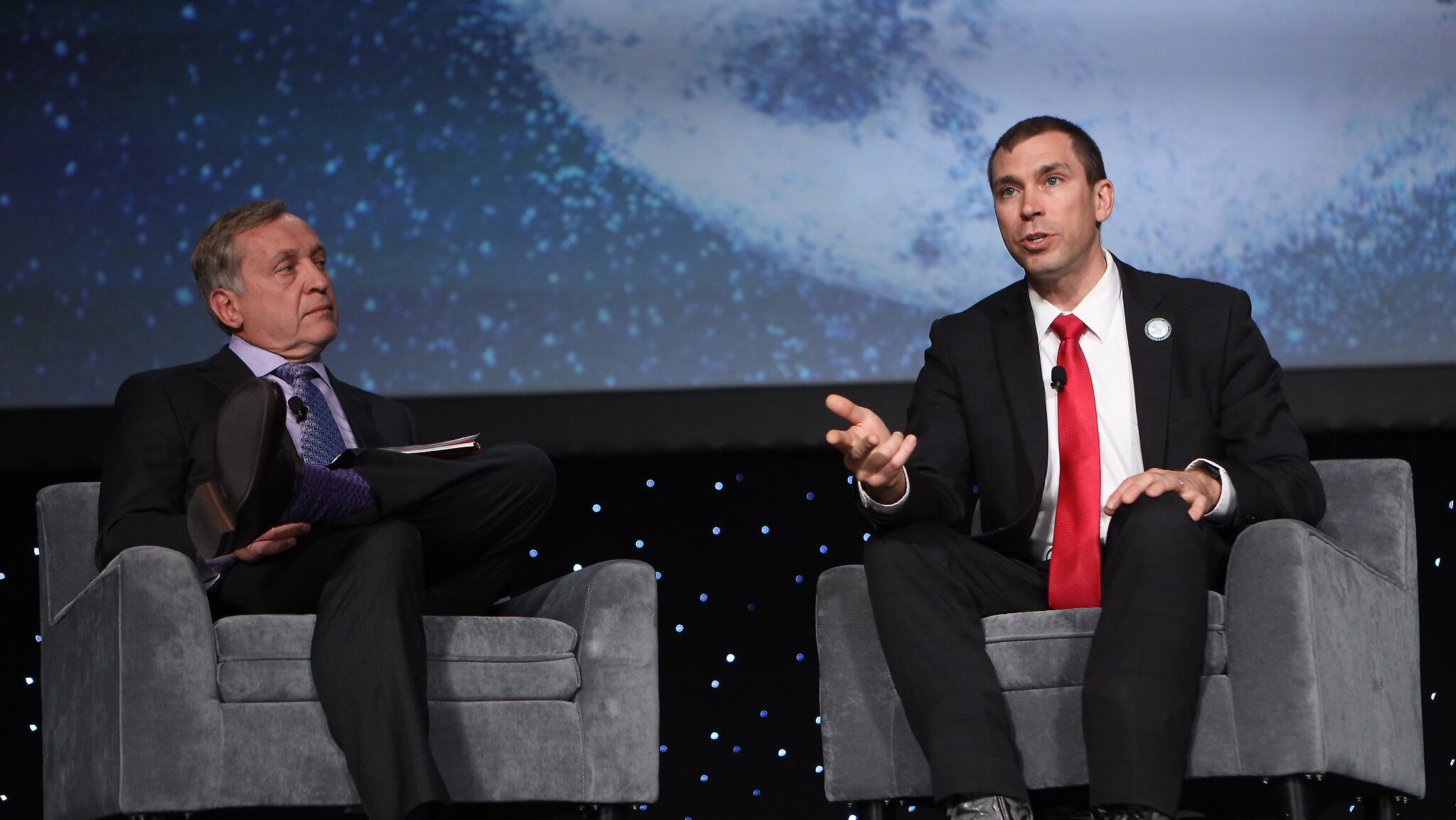
Tournear was placed on administrative leave from his role on Jan. 16.

According to the formal solicitation posted on SAM.gov, SDA is looking to make three awards for 18 satellites each.

The shift was recommended by the Space Force in order to protect the service's high-priority efforts, sources told Breaking Defense.

Even just "mapping the supply chain is hard stuff," said Reza Nikfarjam, deputy director of the Credit Program at the Pentagon's Office of Strategic Capital (OSC).


Cybersecurity skills must evolve in near-real time as Zero Day threats continue and AI provides new challenges.
SDA originally had hoped to begin launching the Tranche 1 Transport and Tracking Layer constellations for its Proliferated Warfighter Space Architecture stationed in low Earth orbit in September 2024.

Elsewhere, Chief of Space Operations Gen. Chance Saltzman said his top priority is "space control," a term that for many years was verboten at the Pentagon.

The Space Development Agency "has taken steps to develop laser communications technology but has not yet fully demonstrated it in space," finds a report released today by the Government Accountability Office.
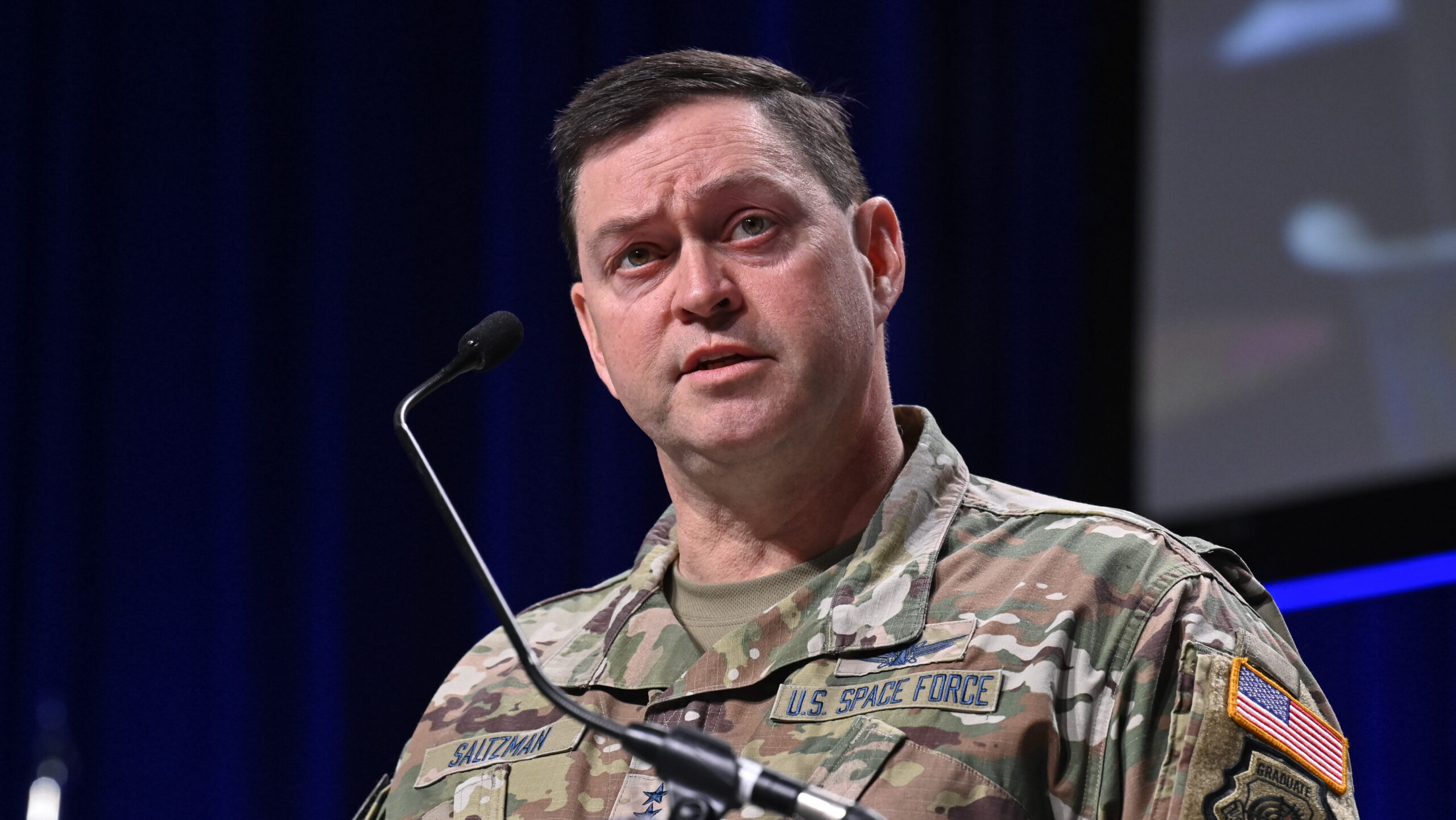
"We are leaning forward establishing this technical IPT to try to pull together all of the systems and start thinking about it from an overarching perspective," Chief of Space Operations Gen. Chance Saltzman said.